

Pelion Today: Where Myth Meets Hospitality
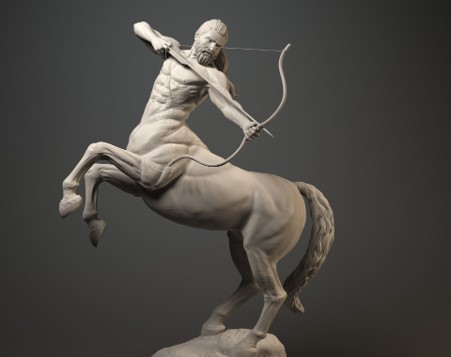
The magic of Pelion’s Mythology remains alive even today. The legendary Mountain of the Centaurs, with its dense forests, stone pathways, springs, and centuries‑old plane trees, continues to inspire visitors from all over the world. Here, according to Greek and Thessalian mythology, lived the famous Centaurs of Pelion, and taught the wise Chiron, one of the most emblematic figures of antiquity.
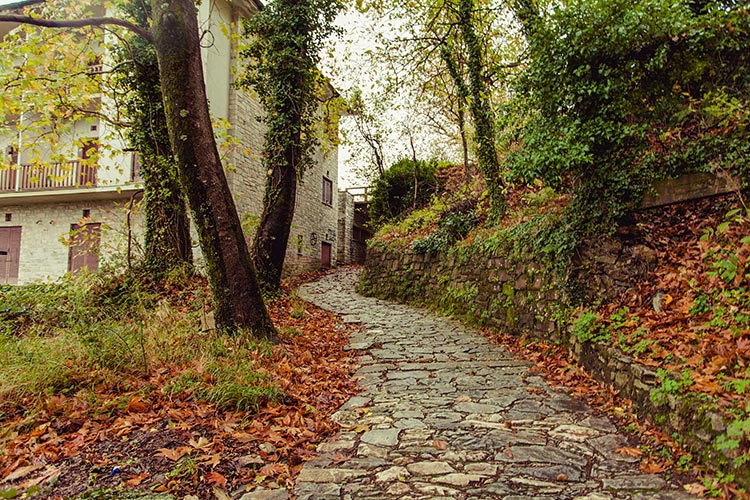
In Tsagarada Pelion, visitors can walk along the historic Pelion Trails, discover the serenity of nature, and experience a place where the stories of the Mythical Centaurs are still part of the local identity. For those seeking authentic experiences, relaxation, and quality holidays in Pelion, the region uniquely combines natural landscape, history, culture, and genuine Greek hospitality.
At Nostos Country House, a distinctive boutique hotel in Pelion, this mythical atmosphere becomes part of the stay itself. It is no coincidence that every room and suite of Archontiko Nostos bears the name of a Centaur, honoring the deep connection of the area with myth. For many travelers, Nostos is an ideal Nature Retreat Pelion: a peaceful and atmospheric destination where history, nature, and relaxation coexist harmoniously. Here, Mythology and Pelion are not merely a narrative of the past, but an experience that accompanies every walk in the forest, every view toward the Aegean, and every moment of tranquility. The legends of the Centaurs of Mount Pelion continue to give the mountain its timeless and mysterious charm.
Pelion, the Mountain of the Centaurs
According to Greek mythology, Pelion was not only the home of the Centaurs but a place where nature, wisdom, and myth coexisted. On its lush slopes, among chestnut trees, beeches, and running waters, Chiron taught the greatest heroes of antiquity, while the other Centaurs roamed the forests and ravines of the mountain. Even today, when mist embraces Pelion’s trails, it is easy to imagine why the ancient Greeks believed this enchanting place was the realm of these mythical beings.
Did you know?
Chiron is considered by many the first great “teacher” of Greek mythology. Among his students were Achilles, Jason, and Asclepius, the god of medicine, as well as many other heroes who left their mark on ancient Greece. This tradition makes Pelion not only a place of natural beauty but also a destination filled with stories, symbols, and cultural memory.
Each Room and the Name of a Centaur
Chiron
Chiron was the wisest and noblest of all Centaurs. Unlike most of his kind, he stood out for his wisdom, justice, and knowledge of medicine, music, hunting, and education. He lived on Pelion, where he taught many great heroes of antiquity, such as Achilles, Asclepius, and Jason. To this day, he is considered a symbol of knowledge, healing, and spiritual guidance.
Pholus
Pholus was a friendly and peaceful Centaur who lived in the region of Mount Erymanthos. He became known for the generous hospitality he offered to Heracles during his labors. However, a tragic incident involving Heracles’ poisoned arrows led to his death, making him one of the most sympathetic figures among the Centaurs.
Hippasus
Hippasus was one of the Centaurs who took part in the famous battle between the Centaurs and the Lapiths, known as the Centauromachy. During the wedding of King Pirithous, the Centaurs were overcome by drunkenness and violence, causing the conflict. Hippasus represents this wild and uncontrollable side of the Centaurs’ nature.
Medon
Medon is mentioned in mythological traditions as one of the warrior Centaurs who fought against the Lapiths. Although information about his life and deeds is limited, his presence in the Centauromachy places him among the notable members of the Centaur tribe.
Hylonome
Hylonome was the most beautiful of all the female Centaurs and was famed for her grace and beauty. She was deeply in love with Cyllarus, and the two lived happily in the forests of Thessaly. When her beloved was killed in the Centauromachy, Hylonome, unable to bear the loss, took her own life, becoming a timeless symbol of devotion and tragic love.
Cyllarus
Cyllarus was one of the most handsome and noble Centaurs in mythology. He stood out for his strength, youth, and presence, and was the loyal companion of Hylonome. His death in the Centauromachy led to the tragic fate of his beloved and remains one of the most moving stories in Greek mythology.
Theraeus
Theraeus was known as a skilled hunter and strong warrior. He participated in the Centauromachy and was famed for his combativeness. His name is associated with hunting and reflects the wild nature that characterized many of the Thessalian Centaurs.
Elatus
Elatus was another Centaur who took part in the conflicts with both the Lapiths and Heracles. According to tradition, he was fatally wounded by one of the hero’s poisoned arrows. His name is linked to the dense forests and fir trees of the mountainous regions where the Centaurs were said to roam.
Nessus
Nessus is perhaps the most famous Centaur after Chiron. He worked as a ferryman on the river Evenus, transporting travelers from one bank to the other. When he attempted to abduct Deianira, the wife of Heracles, he was killed by one of the hero’s poisoned arrows. Before dying, however, he deceived Deianira by giving her his blood as a supposed love potion. This act later led to the death of Heracles himself, giving Nessus a unique place in Greek myth.
It is worth noting that Chiron is directly connected with Pelion, while many of the other Centaurs are believed to have lived in the forests and slopes of Thessaly, a region traditionally associated with their homeland. Thus, staying at Nostos Country House is not only an escape into nature but also an invitation to discover a place where myth, history, and hospitality meet in a truly unique way.

This gave me huge food for thought, and hence, I published this. Thank you, Nostos, for the inspiration: https://cloud-collective.net/2026/09/04/what-does-it-mean-to-inhabit-a-story/